
Focus
From Evidence to Action: EELA Zimbabwe Workshops Drive Practical Pathways for Energy Efficiency
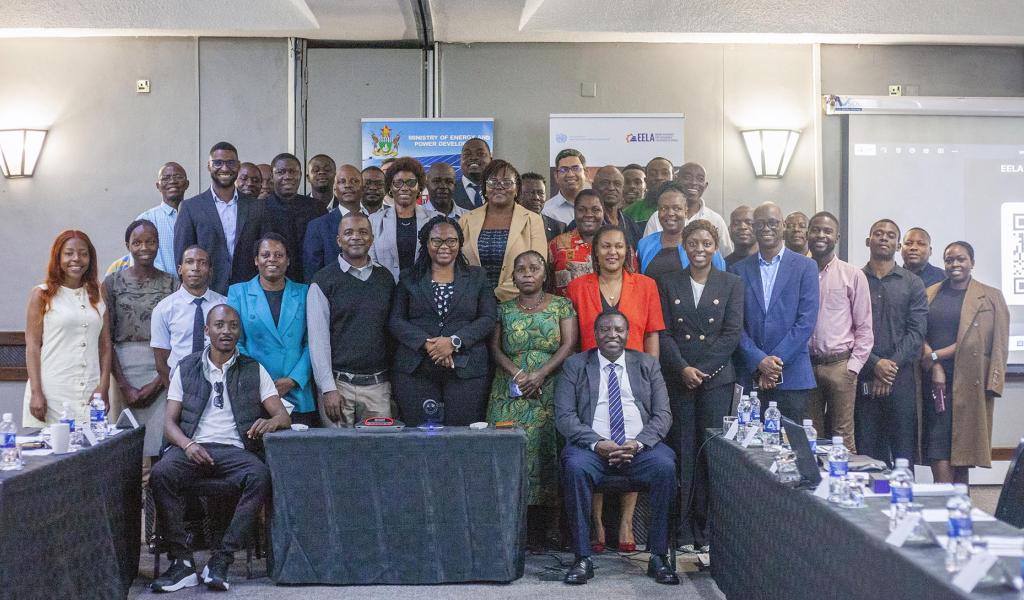
Bulawayo & Harare, 12–14 May 2026 — EELA Zimbabwe convened stakeholder workshops to present, validate and collectively reflect on preliminary findings and emerging insights from key analytical studies undertaken under the project. The initiative brought together stakeholders from across provinces, government institutions, industry and technical communities to discuss how this evidence can inform policy reform, strengthen regulatory frameworks and support energy efficiency and clean energy transition in Zimbabwe.
Designed not merely as knowledge-sharing events, these exchanges functioned as practical working platforms to translate analytical findings into actionable strategies, creating space to align evidence with sector realities, deepen stakeholder engagement and build shared ownership of priority actions.
AN APPROACH GROUNDED IN EVIDENCE AND PARTICIPATION
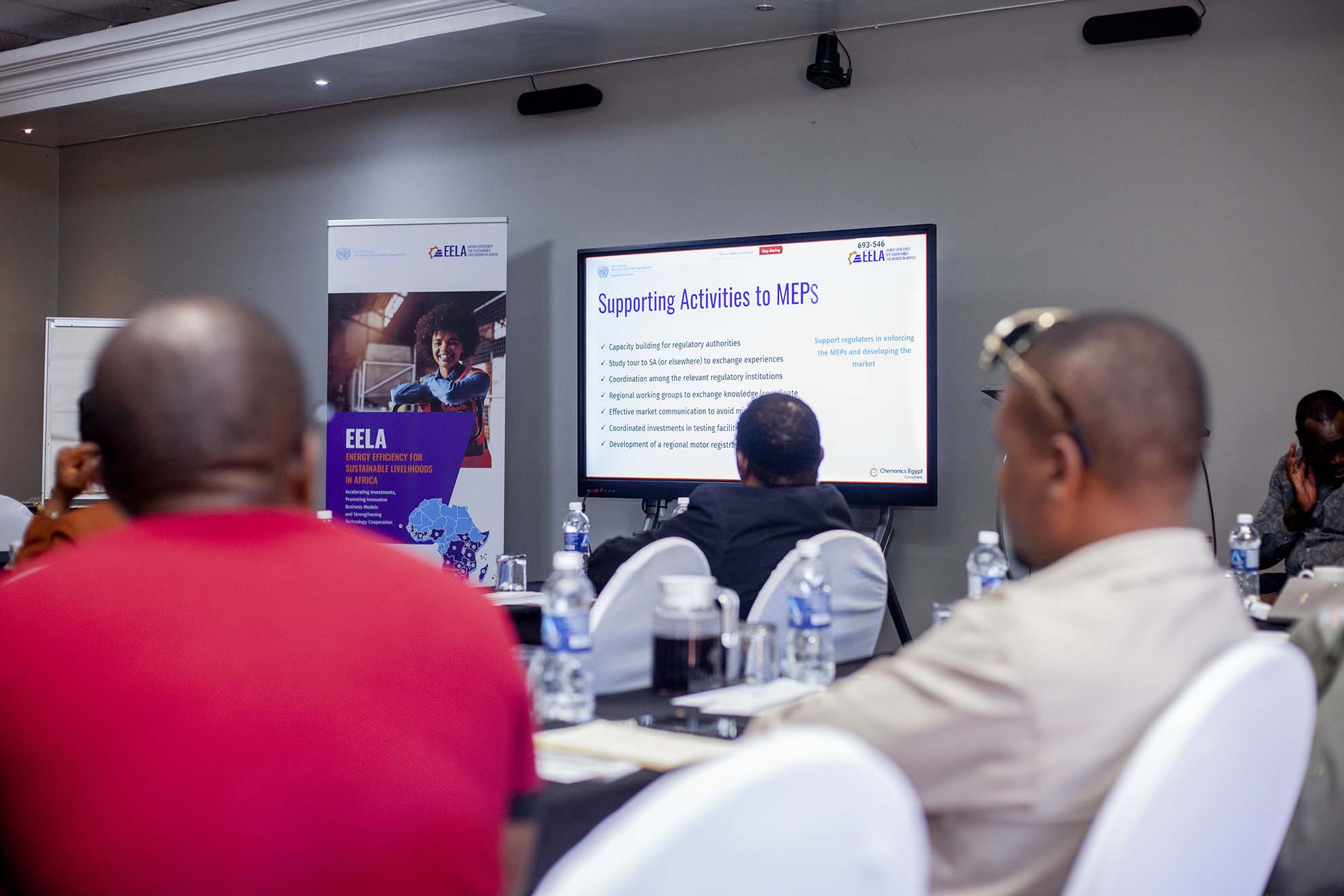
Participants engaged directly with findings from three studies conducted over the previous months under EELA Zimbabwe: the Gender Analysis and Mainstreaming study, the appliance market and regulatory gap analysis, and the industrial energy efficiency and decarbonisation assessment.
These studies combine desk-based literature review with locally grounded evidence, including institutional interviews, enterprise pre-screening surveys and field visits, providing a robust and context-specific evidence base to inform discussions and guide subsequent policy and market interventions.
Rather than presenting final conclusions, the workshops focused on validating and refining findings, integrating feedback and strengthening coherence between national priorities and regional initiatives. This participatory approach also fostered awareness, encouraged continued engagement in ongoing studies and supported inclusive processes that integrate gender considerations and address structural barriers.
FROM VOLUNTARY ACTION TO STRUCTURED IMPLEMENTATION
Discussions, particularly during the Bulawayo workshop, highlighted the need to move from voluntary approaches towards stronger implementation and enforcement of energy efficiency frameworks. Stakeholders emphasised that progress is constrained by gaps in compliance mechanisms, limited technical skills, weak certification systems and barriers affecting technology uptake.
Industrial motors and air-conditioning systems emerged as priority areas with significant energy-saving potential. Participants also underlined the importance of strengthening technical skills, installer certification systems and support for repair ecosystems, alongside addressing financing and market barriers.
In Harare, the Industry Clean Tech Platform (ICTP) was highlighted as a practical mechanism to connect industries with technologies, expertise and financing actors. The platform responds to a key barrier by facilitating access to solutions and supporting the uptake of energy-efficient technologies.
Stakeholders also highlighted the need to bridge technical interventions with financing mechanisms and investment facilitation, recognising that uptake of energy-efficient technologies often remains constrained by limited access to suitable financing and project development support.
DIRECT CONTRIBUTION TO NATIONAL POLICY
Across both workshops, the discussions pointed to the need for coordinated action across policy, regulatory and market levels. Energy efficiency was framed not only as a technical issue, but as one requiring stronger institutional alignment, improved compliance frameworks, and well-functioning market systems.
Government representatives emphasised that the findings from the EELA studies can directly contribute to Zimbabwe’s Energy Efficiency Implementation Strategy. This reflects the practical utility of the work, which provides an evidence-based foundation to guide policy development, regulatory improvements and future interventions. Sosten Ziuku, Director for Energy Conservation and Renewable Energy at the Ministry of Energy and Power Development, noted: “I was very impressed with the presentations of electric motors. I look forward in the very near future, as a ministry, to develop a complete programme on that.”
BUILDING A FOUNDATION FOR THE NEXT PHASE
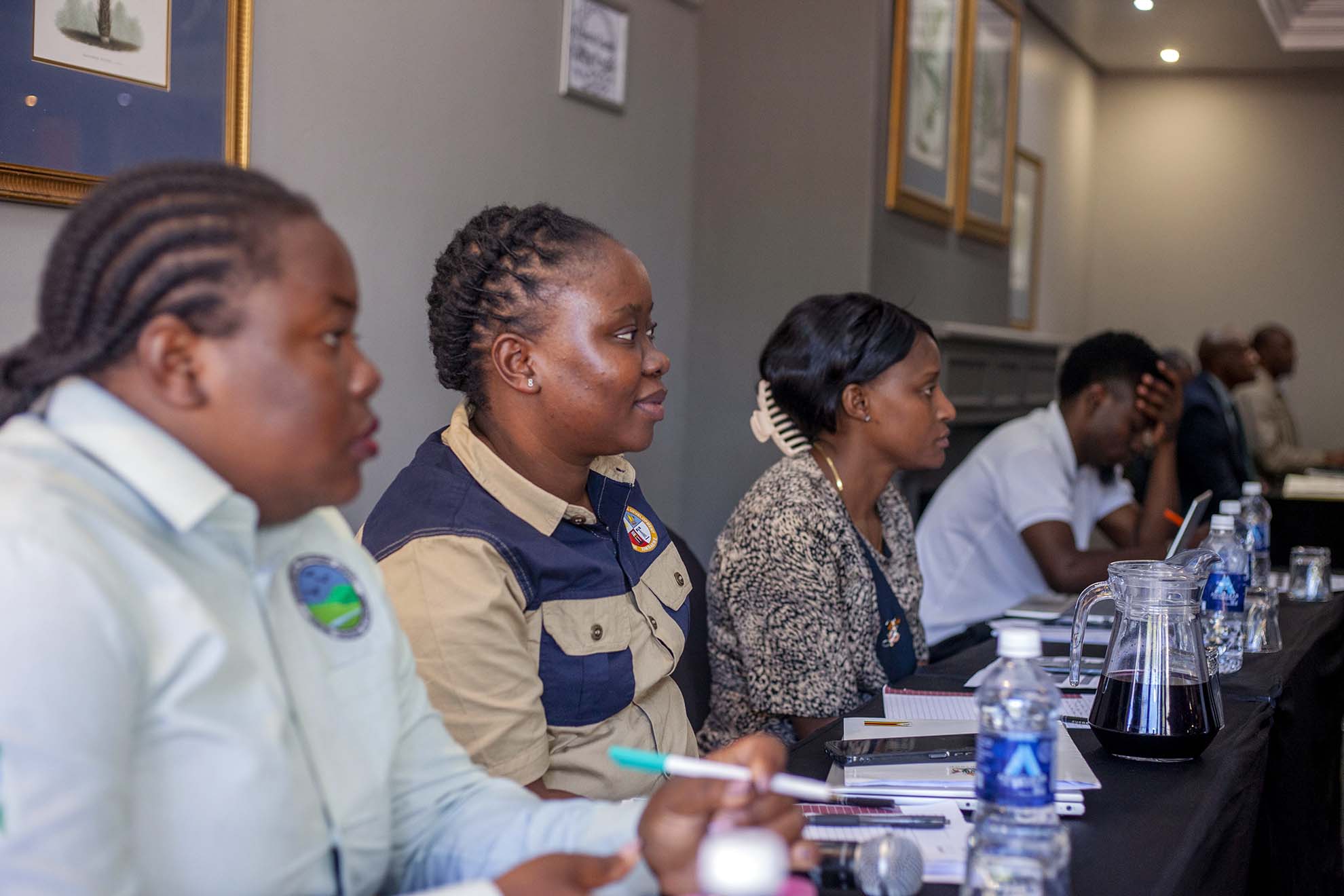
The Bulawayo and Harare workshops demonstrated strong stakeholder engagement and commitment to the process, fostering shared ownership of actionable recommendations while highlighting opportunities for collaboration and resource mobilisation. By combining evidence-based analysis with stakeholder validation, the EELA Zimbabwe Country Window is helping lay the foundation for the next phase of interventions.