
Focus
Reframing Africa as an Innovation Partner: Insights from the EELA Deep Dive Session at IVECF
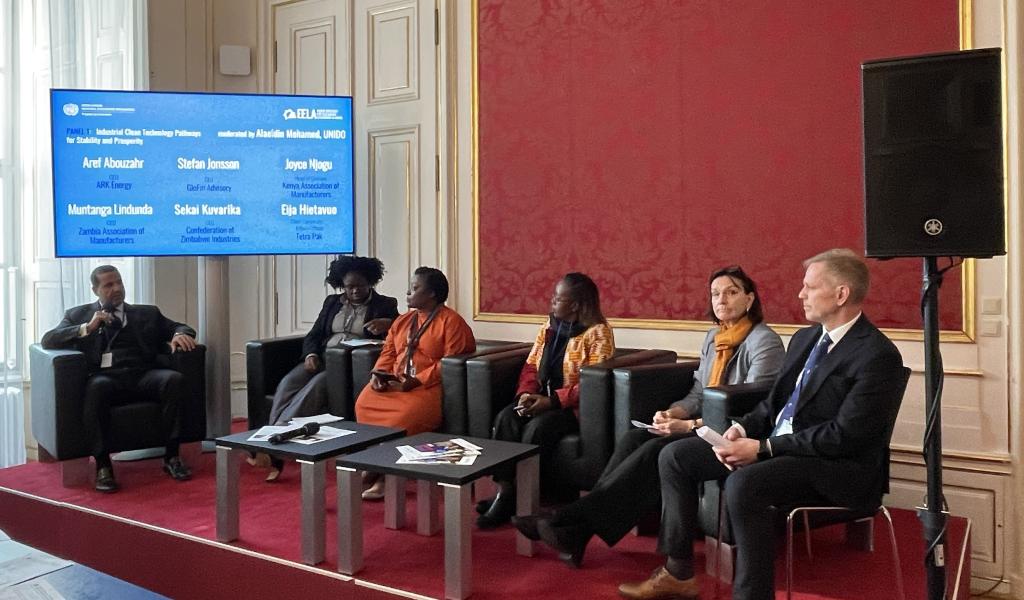
Africa’s industrial transformation is no longer discussed merely as catch‑up development, but increasingly as a strategic opportunity to redefine how industrialization can unfold in the twenty‑first century. This perspective framed the deep‑dive session “Accelerating Clean Industrial Technology Pathways to Strengthen Prosperity, Security and Stability in Africa”, organized by EELA during the International Vienna Energy and Climate Forum (IVECF) and convened by UNIDO. Bringing together policymakers, industry leaders, financiers, and technology experts around the launch of the Industry Clean Technology Platform (ICTP), the discussion marked a clear shift away from deficit‑based narratives toward a focus on agency, readiness, and scalable action.
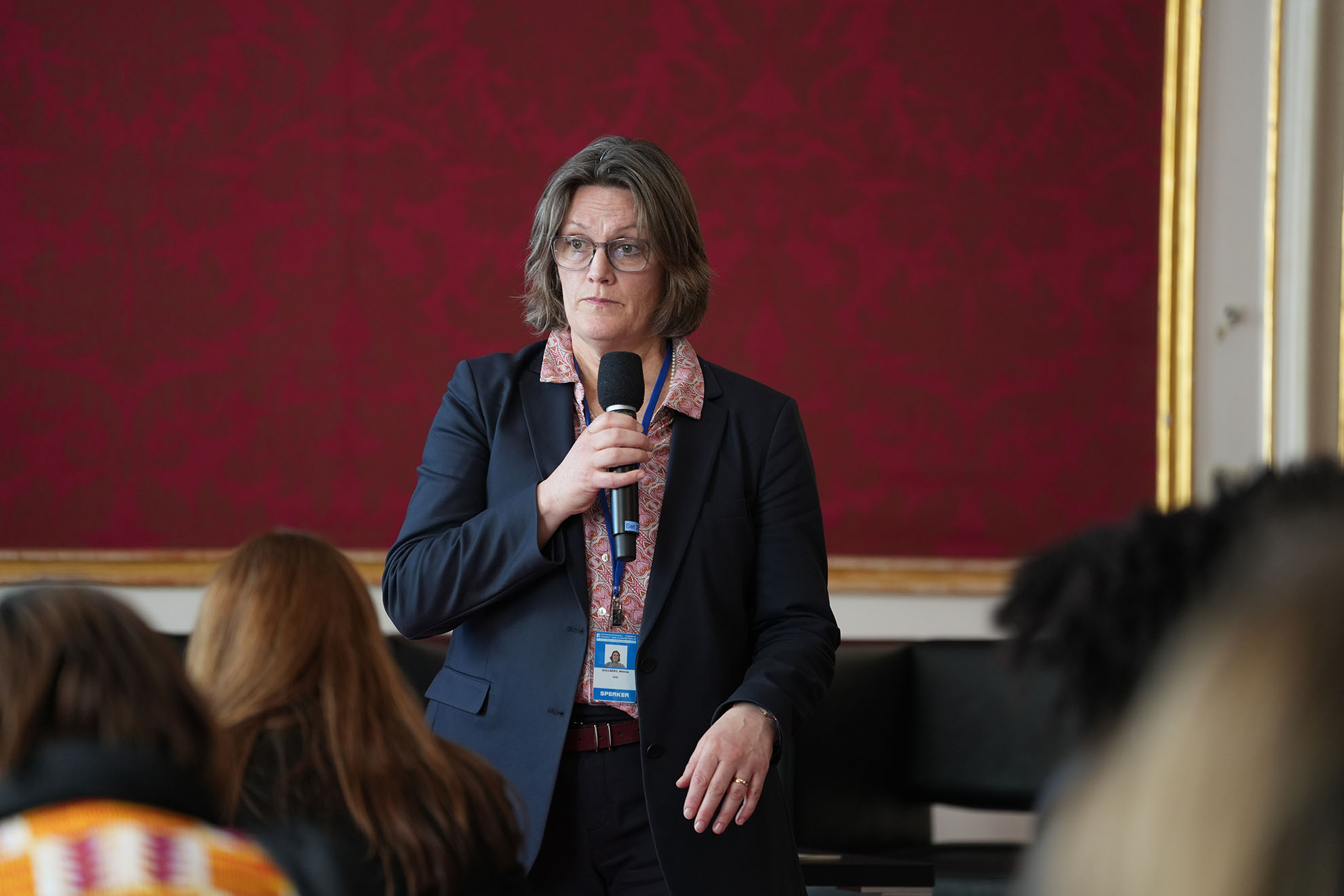
"We believe that the ICTP platform has strong potential to help bridge the gap between technology supply and demand. It can also play a key role in identifying and channeling financial solutions by bringing together different financing streams, such as climate aid, trade promotion finance, and carbon finance. Beyond this, the platform has the potential to go even further by actively driving innovation and supporting the development of new solutions that are not yet available on the market" - Monica Gullberg, Senior Policy Specialist Environment and Climate with Energy focus, Sida

"In the context of EELA, there is one essential factor we would like to highlight: strong partnerships. In particular, partnerships across governments, industry, financial institutions, and regional organizations are critical. This is especially true for industrial transformation, where coordinated action is necessary to deliver results at scale. This is why we are advancing the Industrial Clean Technology Platform (ICTP). The launch of the ICTP marked an important step in this direction" - Georgia Valeria Iordanescu, Chief, Sustainable Energy and Just Transitions Unit, UNIDO
A central insight emerging from the session was the urgency to move decisively from policy formulation and pilot projects toward implementation at scale, particularly in the industrial sector, where energy demand, productivity, and emissions reduction intersect most strongly. While Africa’s late industrialization is often framed as a disadvantage, speakers consistently highlighted it as a strategic asset: the continent is uniquely positioned to industrialize differently, avoiding the high‑carbon pathways followed by earlier industrializers. Clean industrialization was therefore presented not only as a necessity, but as a long‑term economic opportunity that aligns competitiveness, resilience, and sustainability.
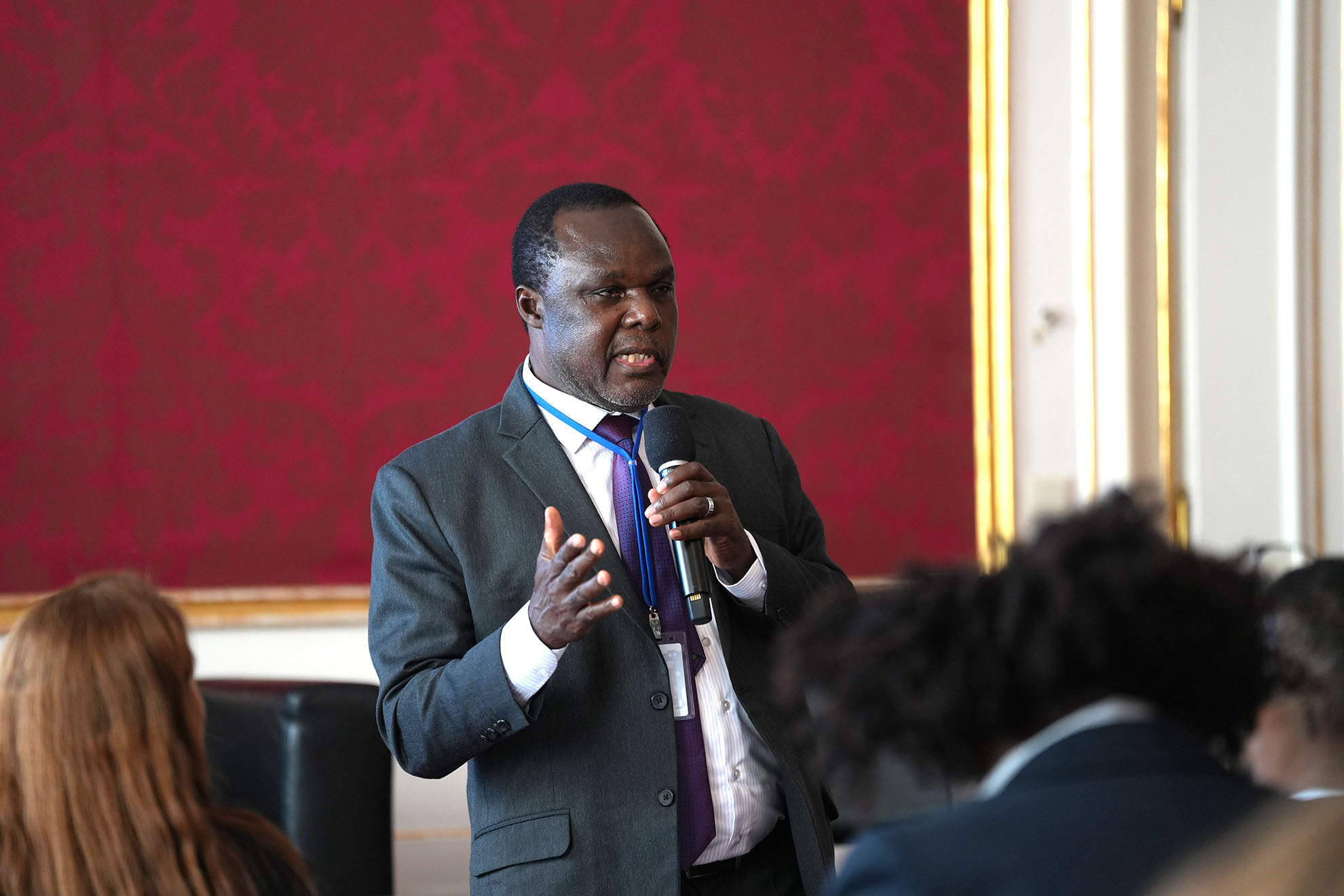
"Today, we want to speak with clarity and conviction that Africa will not miss the fourth industrial revolution. This is why we are here, and why energy—and especially energy efficiency—matters. At the same time, we are guided by experience. We have seen the cost of industrialization that ignored sustainability. While industrialization has created significant progress, we recognize that this story is incomplete without acknowledging that the way it unfolded was not sustainable" - Juma Mukhwana, Principal Secretary, Ministry of Investments, Trade and Industry, Kenya
This shift in perspective also reframed Africa’s role in global energy and climate efforts. Rather than a recipient of aid, Africa was described as a co‑investor and innovation partner, capable of shaping markets, testing new models, and scaling solutions that respond to its own realities. Scarcity, whether of energy, infrastructure, or capital, was repeatedly reinterpreted as an investment signal rather than a constraint. Addressing these gaps through clean technologies and efficiency was seen as a way to unlock productivity, strengthen energy systems, and create value across supply chains, provided that actors work together in a coordinated manner.
Trust‑based partnerships emerged as the connective tissue of this transition. The discussions underscored that scale will not be achieved through isolated interventions, but through ecosystems in which governments, industry associations, technology providers, financiers, and development partners align priorities and instruments. These principles are embedded in the design of the Industrial Clean Technology Platform. The ICTP is conceived as a practical implementation tool that connects verified, high‑efficiency technologies with real industrial demand, while supporting project developers through technical assistance, access to knowledge products, and visibility toward financing opportunities. By bringing these three elements together - technology validation, technical support, and knowledge - the platform is expected to act as a catalyst for bankable projects and faster adoption of clean industrial solutions.
PANEL 1: TURNING FINANCIAL CONSTRAINTS INTO INVESTABLE OPPORTUNITIES
The first panel, titled “Industrial Clean Technology Pathways for Stability and Prosperity” explored why industrial energy efficiency adoption has progressed more slowly than its strong economic fundamentals would suggest. Participants agreed that the primary barrier is not the absence of capital, but limited access to suitable financing. High costs of capital, misalignment between loan tenors and project payback periods, and a limited understanding of energy efficiency as an asset class continue to slow investment decisions. Yet the conversation focused equally on how these barriers can be transformed into opportunities. Tailored debt instruments, concessional and blended finance, risk‑sharing mechanisms, results‑based financing, and carbon finance were all discussed as viable tools to better match financial products with the realities of efficiency projects. Speakers also emphasized the importance of performance data and digital monitoring, both to build investor confidence and to de‑risk projects for local financial institutions.
PANEL 2: SCALING THROUGH COLLABORATION
The second panel, titled “Regional and National Voices: Implementation and Impact” shifted attention to manufacturers, industry associations, and technology providers, highlighting how efficiency and clean technologies are increasingly viewed as tools for competitiveness rather than compliance. High energy costs, operational reliability, and exposure to market shocks are already motivating companies to improve efficiency and diversify energy sources. Participants stressed that stable and predictable regulatory environments, supported by harmonised standards, are essential to sustain this momentum. Industry associations were positioned as key enablers, acting as trusted intermediaries that aggregate demand, disseminate best practices, and connect companies with policymakers and financiers. Technology providers, particularly in energy‑intensive sectors, illustrated the scale of efficiency gains already achievable today, reinforcing the message that the challenge is not technological readiness, but coordinated deployment.
FROM INTENTION TO IMPACT
Across the session, a shared sense of readiness emerged. The building blocks - policies, technologies, institutional partnerships, and emerging financing models - are increasingly in place. Platforms such as the ICTP are designed to reduce friction and enabling industries to move faster from intention to investment. The discussion closed not with abstract ambition, but with a forward‑looking pragmatism: Africa’s clean industrial transition is already underway, and with the right partnerships and instruments, it has the potential to deliver competitiveness, prosperity, and sustainability at scale.