
Immersive Training for Clean Energy Skills in Kenya
The Augmented Reality (AR) / Virtual Reality (VR) / Mixed Reality (MR) Minimum Viable Product (MVP) is a digital training solution developed under EELA Kenya Country Window to strengthen national capacities for the repair, maintenance, and end‑of‑life management of energy‑efficient and off‑grid equipment. Designed to address growing gaps in practical technical skills, the MVP provides a modern tool for improving the reliability and sustainability of clean‑energy technologies across the country.
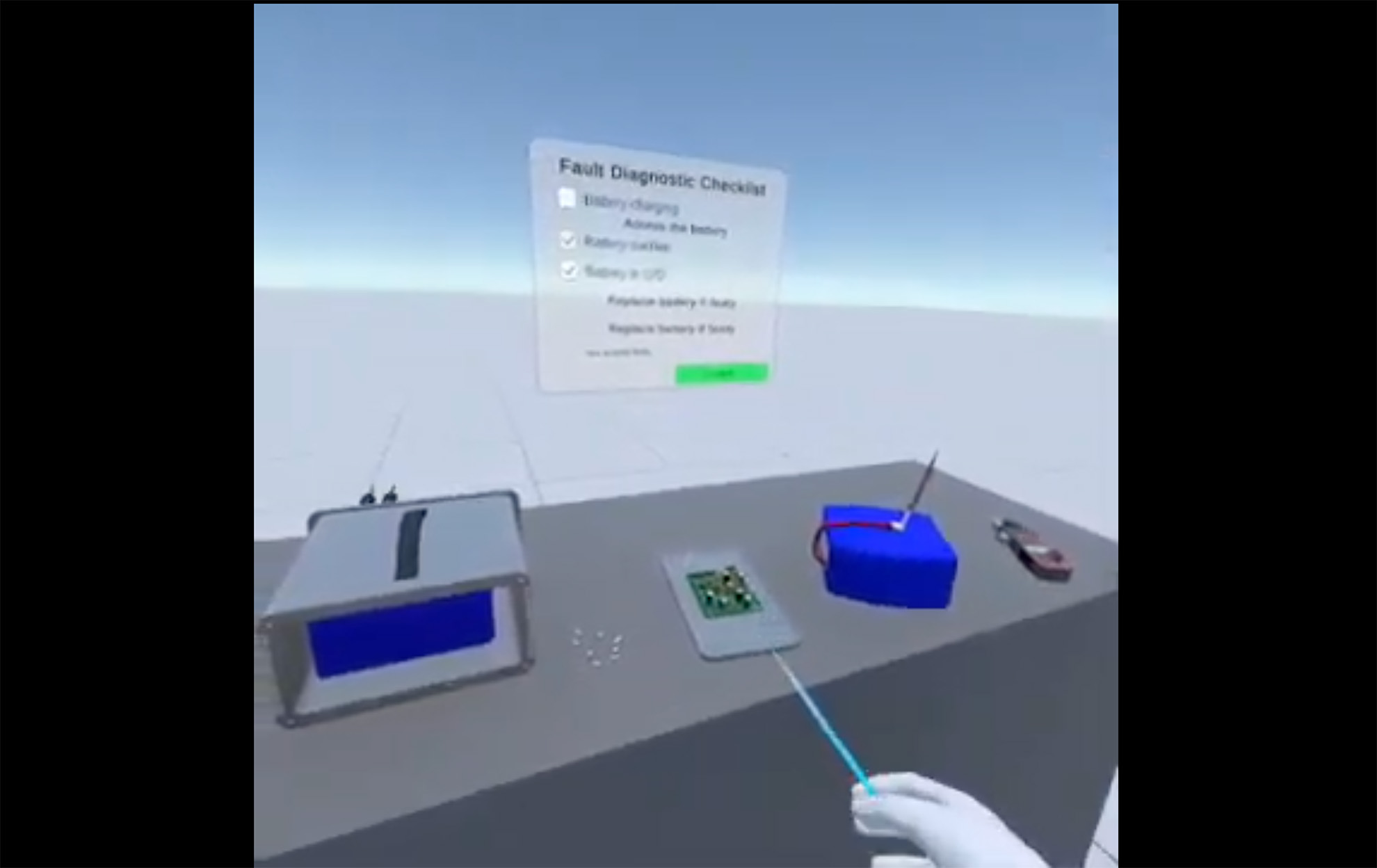
Building on this foundation, the immersive training approach delivers hands‑on, simulation‑based learning for the installation, repair, maintenance, troubleshooting and end‑of‑life management of energy‑efficient equipment. Co‑created with Kenyan partners and integrated into selected TVET institutions, the MVP supports the standardization and scaling of practical skills training, offering learners realistic, safe and accessible environments to master key technical procedures.
Next‑Gen AR/VR Training for Kenya’s Clean Energy Workforce
Addressing a Growing Need for Clean Energy Skills and Circularity
Kenya’s clean‑energy transition is accelerating, but persistent gaps in technical skills, training infrastructure, and circularity practices continue to limit the reliability, sustainability, and inclusiveness of off‑grid energy systems.
- Skills gap, real costs: Kenya faces a shortage of technicians capable of quickly repairing and maintaining modern clean‑energy devices. Downtime, such as failed solar pumps, disrupts livelihoods and income, particularly for smallholder farmers. Limited opportunities for hands‑on, standardized training deepen this gap.
- Training infrastructure constraints: Many TVET institutions lack up‑to‑date laboratories, functioning equipment, or access to modern systems, making it difficult to deliver consistent and practical technical training nationwide. This leaves learners underprepared for the realities of the clean‑energy sector.
- Circularity & e‑waste challenges: Insufficient diagnostic skills, limited repair capacity, and the absence of standardized end‑of‑life procedures contribute to premature disposal of appliances. As a result, off‑grid devices often enter the waste stream early, increasing e‑waste volumes and environmental leakage.
- Inclusive industrialization barriers: Persistent inequalities in access to training and technical careers prevent many youth and women from entering emerging green and digital sectors. Without accessible, high‑quality skills development, these groups remain excluded from the economic opportunities created by Kenya’s clean‑energy transition.
Why VR Is a Solution and How It Strengthens Training and the System
When a solar water pump breaks down in a rural community, entire crops can be lost within days because no trained technician is available to repair the system. This type of failure shows how essential practical skills are for keeping clean‑energy technologies working where they matter most.
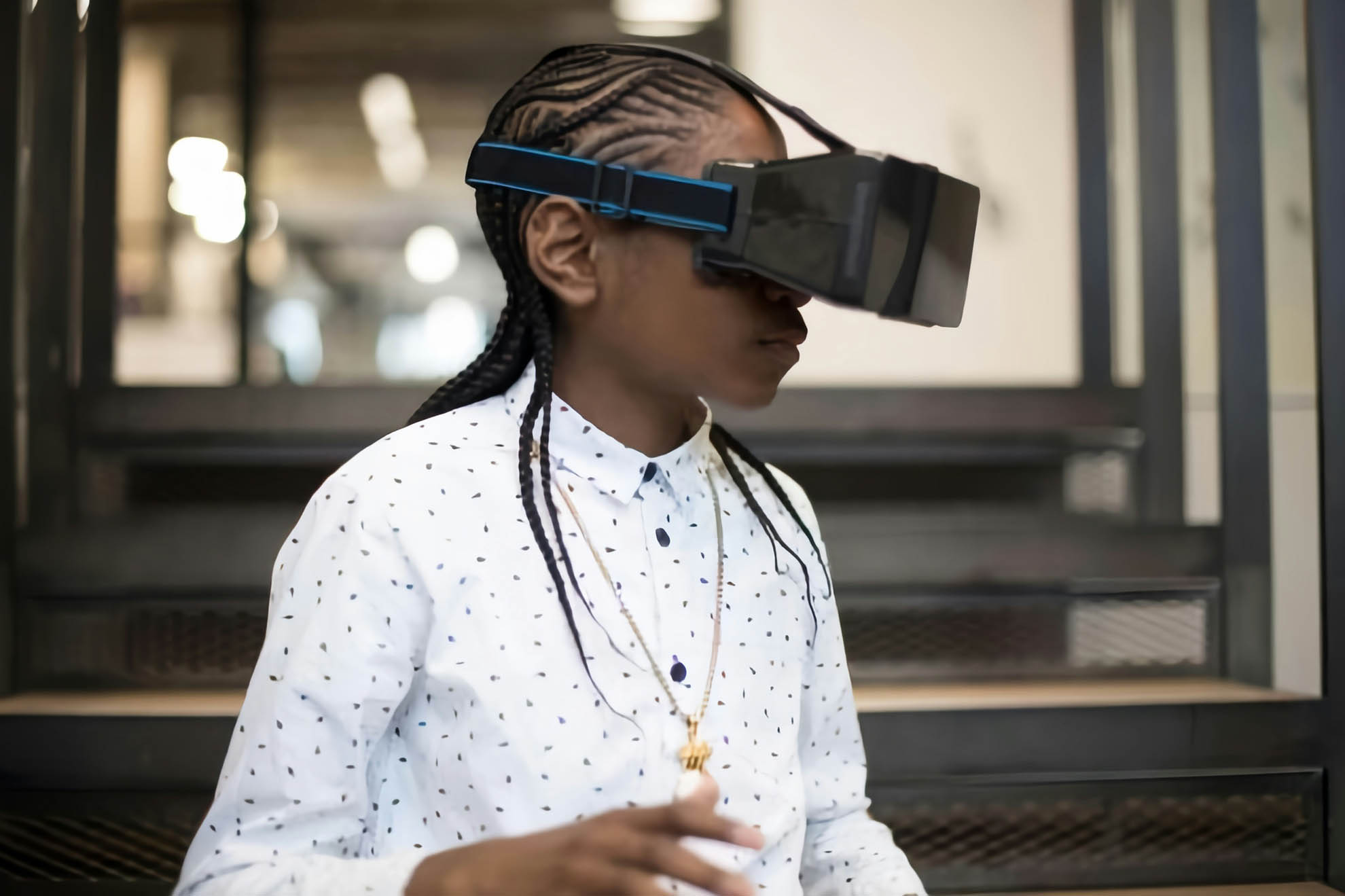
Through AR, VR and MR, training can move beyond traditional maintenance and repair methods, giving learners a realistic, hands‑on environment to practice and master procedures before working in the field. This approach strengthens local innovation and builds the practical capacity needed to manage off‑grid technologies, offering a training model that is particularly valuable for rural communities where resources and equipment are often limited.
- Virtual reality offers a safe and controlled space where learners can practice repairing off‑grid and energy‑efficient appliances, helping them gain practical skills faster even when real equipment is not available.
- It also helps TVET colleges that lack modern labs by simulating tools, faults and procedures that would otherwise be difficult or costly to access. By guiding users through correct diagnostics, repairs and end‑of‑life steps, VR supports better circularity and reduces the early disposal of devices.
- Working with Kenyan partners and training institutions, it also brings learning closer to what industries expect, helping build a stronger and more reliable clean‑energy service ecosystem

What the Minimum Viable Product (MVP) covers
Two priority appliances for immersive modules have been identified as a priority:
- Solar Water Pumping Systems
- Solar Powered Refrigeration
Solar water pumping systems and solar‑powered refrigeration were selected because they are among the most widely used off‑grid technologies supporting productive activities in Kenya, especially in agriculture and food systems.
Their reliability is essential for water access, irrigation, cooling and preservation, yet they often face service interruptions due to limited repair skills and maintenance capacity. These appliances also tend to be discarded prematurely when faults occur, adding to e‑waste pressures.
Strengthening skills for their proper installation, repair and end‑of‑life handling directly supports livelihoods, reduces system downtime and reinforces circularity within the clean‑energy sector.
THE BENEFITS
- For learners & technicians: The training helps learners gain practical skills faster, practice safely, earn portable credentials, and improve their chances of securing quality jobs.
- For TVETs: The tool enables TVET institutions to deliver up‑to‑date, standardized practical training even without full physical labs, while also supporting scalable training of trainers.
- For firms & farmers: The solution allows repairs to be completed within hours instead of weeks, reducing logistics costs, minimizing downtime, and helping farmers maintain higher yields.
- For environment & society: The approach extends the lifetime of energy devices, reduces e‑waste, and creates more inclusive opportunities for women and youth to access green‑economy jobs.

Implementation Partners
The project is implemented by UNIDO through its EELA Kenya Country Window project and partners with national energy and training institutions to co‑create an immersive MVP for clean‑energy skills.
Developed with Adanian Labs and informed by inputs from KEREA, OEMs and distributors. Participating productive use of enery companies include SunCulture for solar water pumping solutions and Baridi for solar refrigeration/cold storage.
The is piloted with selected TVET colleges under the guidance of TVETA to enable deployment, learner engagement and continuous feedback.

Contact Details
Ms. Elin Karlsson
Industrial Development Expert, Project Manager EELA Country Windows, UNIDO
Mr. Fredrick Ochieng
National Project Coordinator, EELA Kenya, UNIDO
Mr. Ritin Koria
Innovation Project Specialist, UNIDO