
Impact Stories
From Spoiled Meals to Healthy Living: Lydia Banda’s Journey with the Zuwa Chill Fridge
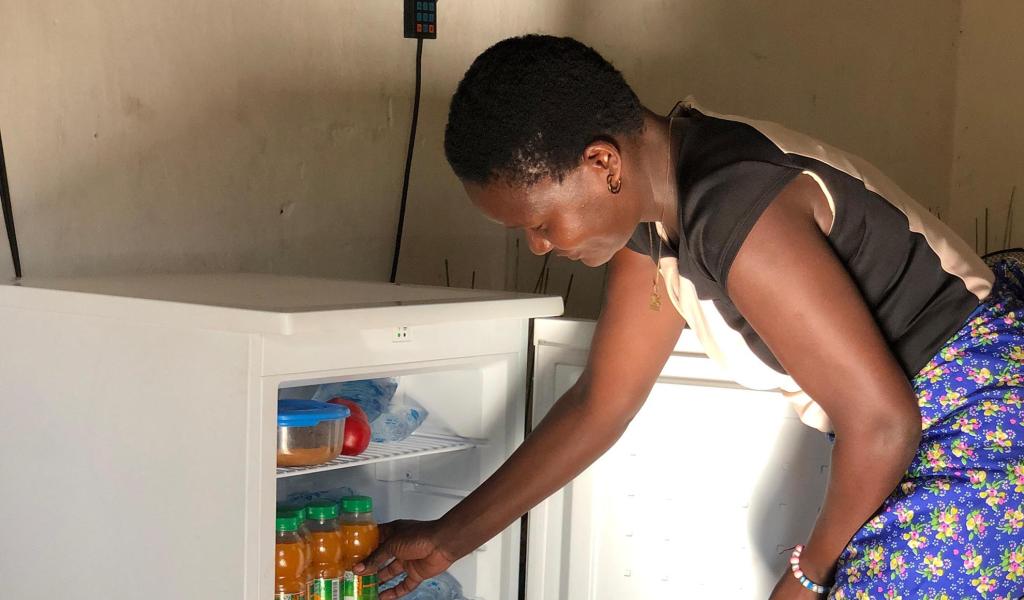
In the quiet, sun-drenched community of Mpinganjira Village, Traditional Authority Chadza in Lilongwe, Lydia Banda faced a challenge that millions of off-grid households across Malawi and beyond continue to grapple with the inability to preserve food due to lack of electricity. As a mother caring for her family in a rural setting, Lydia’s days were often marked by stress and frustration over spoiled food and wasted resources.
“Most of the time, the food would go bad before the day ended”, Lydia recalls. “It’s very painful for a mother to throw away food that could have fed her children. But without electricity, we had no choice.” When Lydia heard that it would take years before grid electricity reached her village, she knew she could not wait. She needed a solution, one that could bring stability to her household and protect the health of her children. That is when she discovered Zuwa Energy, a local company providing solar energy solutions designed for rural communities. Zuwa Energy was supported by the UNIDO’s EELA Project. Through its Technical and Co-Financing Facility, EELA financed 75% of Zuwa Energy’s total capital costs for the solar-powered refrigeration technologies, helping to pilot and scale these solutions for off-grid communities like Lydia’s.
Among their offerings, the Zuwa Chill Fridge stood out: Lydia was intrigued not only by the idea of having a fridge without needing electricity, but also by Zuwa’s flexible payment model. “I saw the fridge and immediately thought, this could change everything”, she says. “But what really made it possible was that Zuwa offered a loan system. I could pay for it in instalments, and that gave me hope”. With her new fridge installed, Lydia quickly began experiencing the benefits. She could now store leftovers, keep milk and vegetables fresh, and plan meals ahead of time. The pressure of cooking everything at once and worrying about spoilage disappeared. For the first time, her family could eat a variety of fresh, nutritious food even several days after preparation. “My children’s health has improved”, Lydia says with pride. “We are no longer wasting food, saving money, and eating better. As a mother, that means everything.”
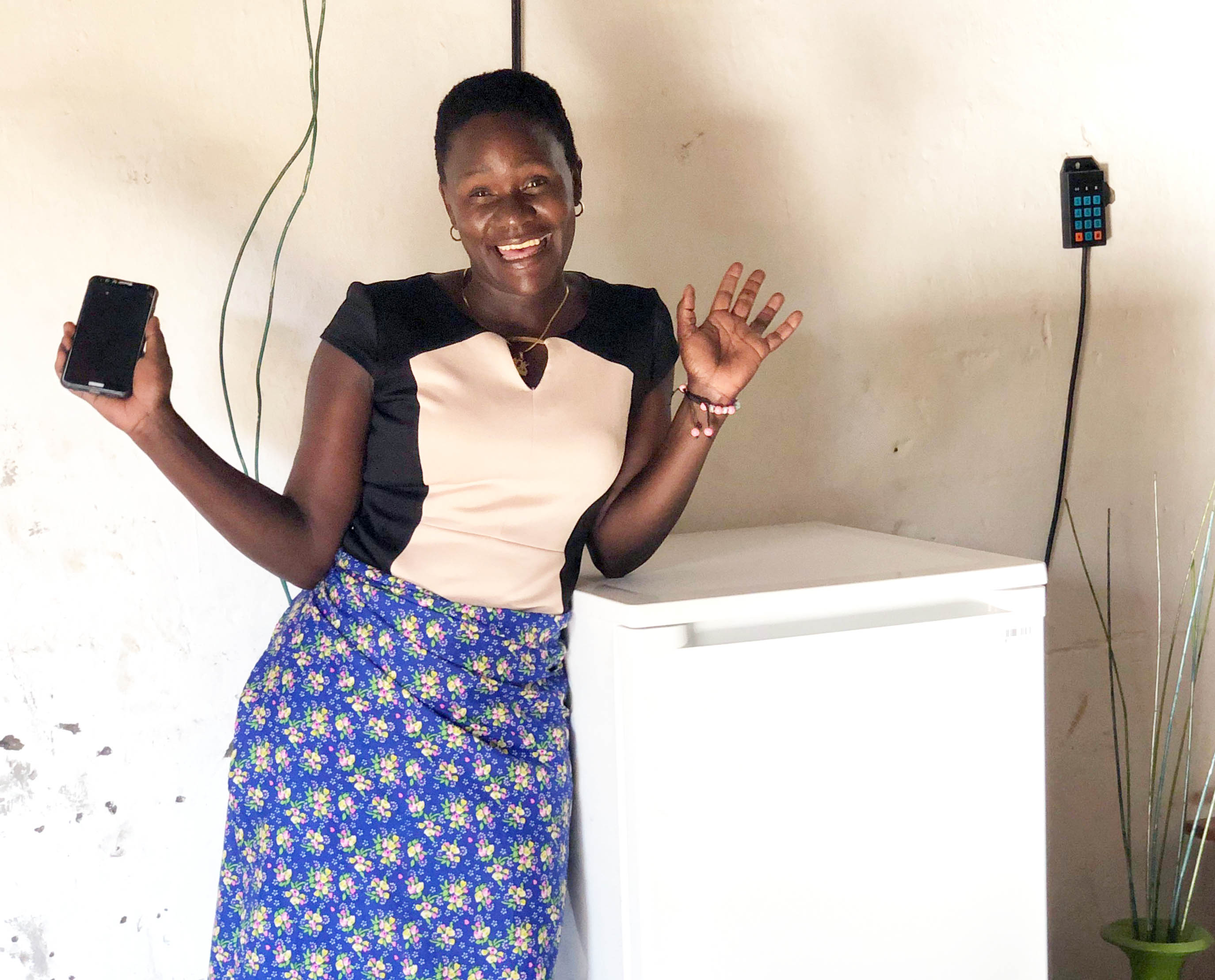
The Zuwa Chill Fridge also unlocked new opportunities for Lydia. With the ability to keep beverages cold, she began selling drinks and sachet water to neighbours. Her home became a popular refreshment stop, especially on hot days. The additional income not only supported her family but also helped her repay the fridge loan. “I started small, just with a few drinks,” she explains. “But word spread quickly. People liked that they could get cold beverages right here in the village. Now I sell almost every day, and that income helps with household expenses and loan repayments.”
Zuwa Energy’s engagement with the EELA Project highlights the ripple effect of energy-efficient technologies. Through the EELA Technical and Co-Financing Facility, Zuwa received support for product design, business model development, and market access, enabling them to bring innovative solar solutions to underserved communities. For women entrepreneurs like Lydia, these technologies are more than tools: they’re catalysts for empowerment. By addressing market barriers such as high upfront costs and limited financing options, EELA and Zuwa have fostered opportunities for women to expand their businesses, improve household resilience, and inspire others in their communities. “Other women in the village have come to ask me how I managed to get the fridge and start selling. I tell them, ‘If I can do it, so can you.’ It’s not just about the fridge, it’s about believing you can grow.” As Lydia looks to the future, she hopes to expand her business, sell more products, and even invest in other solar-powered appliances. “Now that I have seen what is possible, I am dreaming bigger,” she says with a smile. “The Zuwa Chill Fridge was just the beginning.”