
News
Kenya stakeholders identify priorities to strengthen the ESCO market and accelerate energy efficiency investment

23 - 24 September 2026, Nairobi - The EELA Kenya Country Window convened a stakeholder workshop in Nairobi to validate the Kenya Energy Service Company (ESCO) Market Assessment and identify practical pathways for strengthening Kenya's energy services market. Building on an earlier stakeholder webinar, where the assessment’s findings and recommendations were presented and discussed, the workshop provided an opportunity to further examine the proposed roadmap and identify priorities for implementation. Bringing together public institutions, regulators, utilities, ESCOs, industry representatives, financial institutions, universities and development partners, the workshop focused on a key challenge: how to translate identified energy-saving opportunities into bankable, financed and implemented projects.
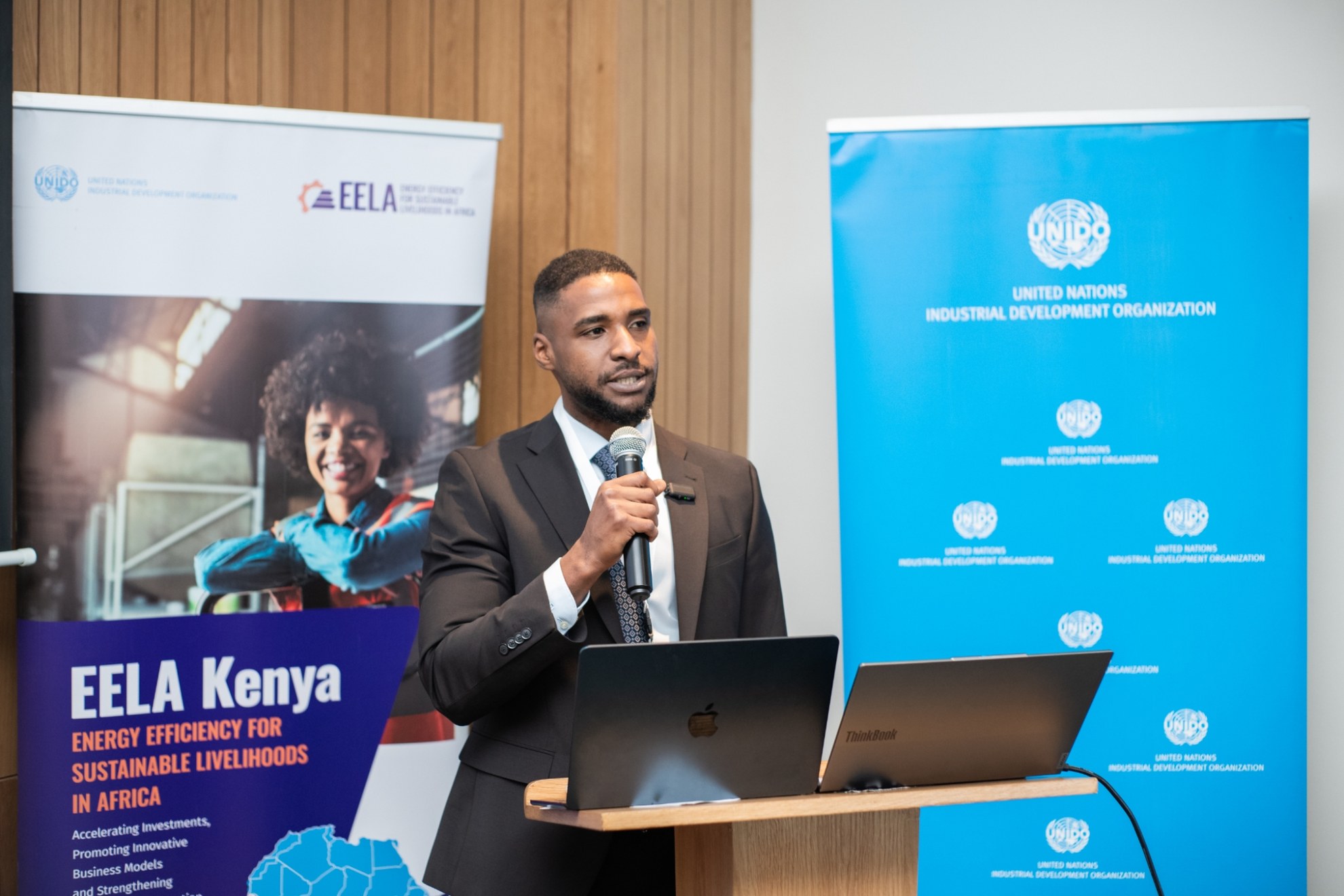
Instrumental to these discussions was the review of the Kenya ESCO Market Assessment, which provided a basis for identifying actions across six interconnected areas: policy, regulation, institutional coordination, technical and capacity development, finance, and awareness and trust. Stakeholders discussed the respective roles that government institutions, utilities, ESCOs, facility owners, financial institutions and development partners can play in supporting market growth and considered the actions needed across these areas to strengthen the Kenyan ESCO ecosystem. These actions are consolidated into three implementation phases, ranging from short-term market activation and foundational measures to longer-term actions supporting market expansion and maturation.
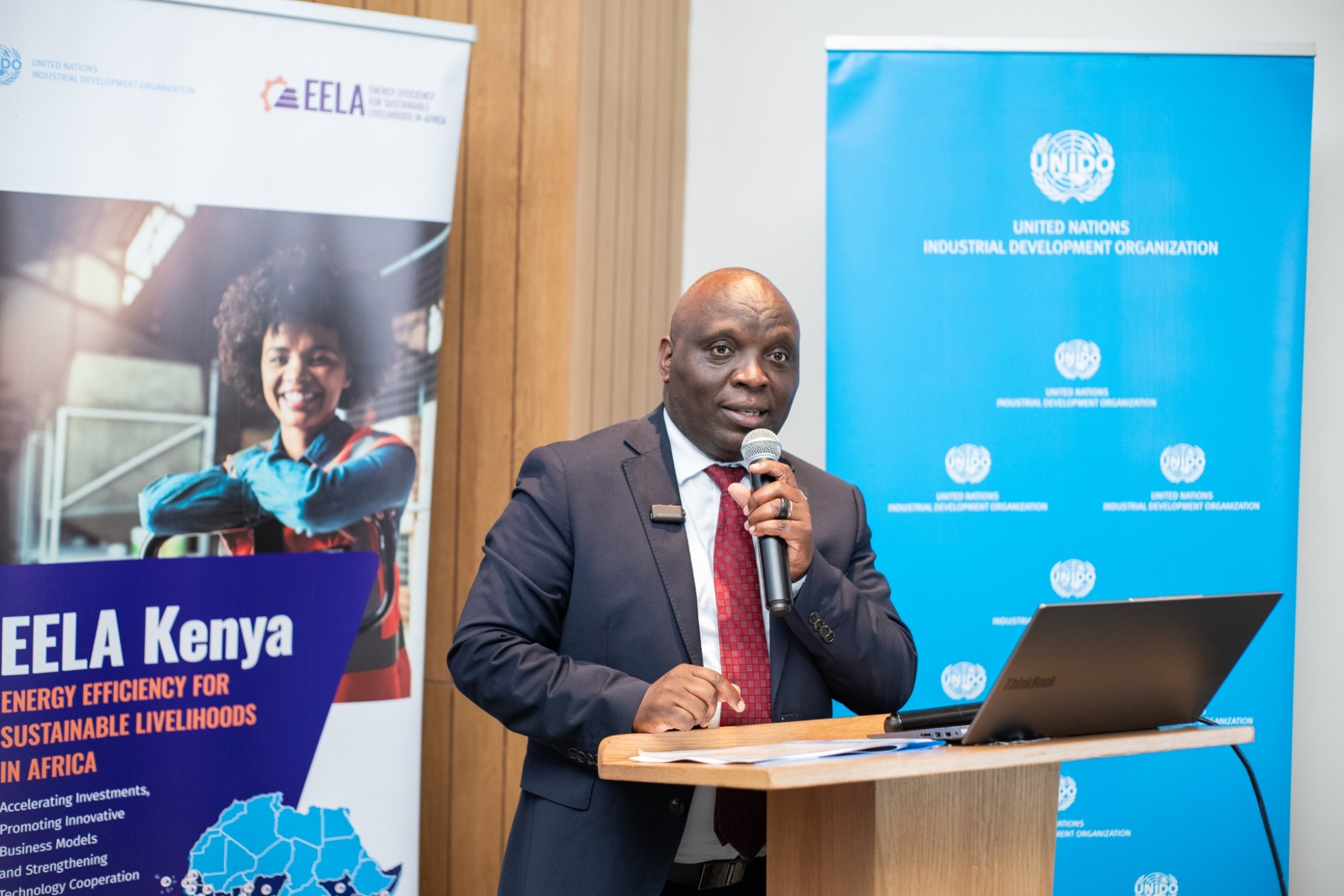
Among the priorities identified were strengthening policy and regulatory frameworks, improving the standardisation of Energy Performance Contracts, enhancing measurement and verification practices, expanding access to finance for energy efficiency projects, and developing a pipeline of demonstration projects capable of attracting investment.
The discussions also highlighted the potential value of a coordinated approach in which public-sector aggregation, including through the emerging Kenya Power and Lighting Company (KPLC) and African Development Bank Super ESCO initiative, can complement private-sector ESCO activity and help create greater scale and confidence in the market.

Moving forward, stakeholders emphasised the importance of translating the workshop findings into a small number of investment-ready pilot projects, while maintaining close coordination among public institutions, industry, financiers and development partners. Together, the assessment recommendations and workshop discussions provide a roadmap for strengthening Kenya's ESCO market and accelerating the transition from identified energy-saving opportunities to implemented energy efficiency investments. The findings can also inform follow-up under the EELA Kenya Industry Clean-Tech Platform (ICTP), including technical support to prepare bankable industrial energy-efficiency projects and connect potential clients, ESCOs and financing partners.