
News
EELA Zambia and EELA Zimbabwe hold their Steering Committee Meetings
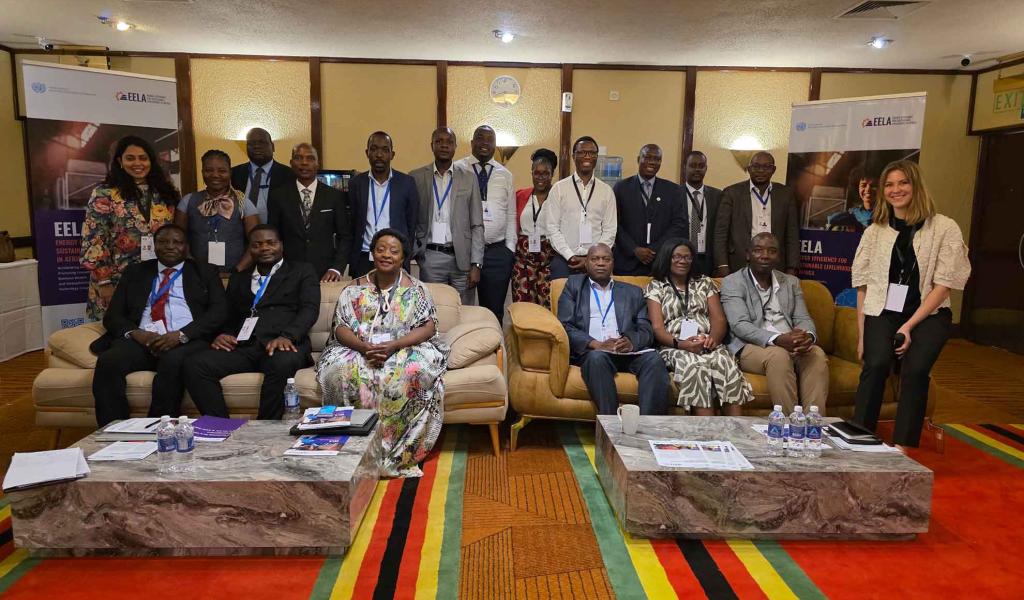
Victoria Falls, Zimbabwe. On the sidelines of the SADC Sustainable Energy Week (SEW) 2026, the EELA Zambia and EELA Zimbabwe Country Windows convened their respective Project Steering Committee (PSC) meetings. The sessions brought together institutional representatives, regional partners, and technical experts to review progress, align on the next phase of implementation, and reaffirm national energy‑efficiency objectives.
Participants discussed practical approaches to strengthening the uptake of energy‑efficient technologies, accelerating green industrialisation, and reinforcing enabling policy and regulatory frameworks. Both national windows highlighted solid momentum across key result areas, including market development, policy support, and capacity strengthening. Stakeholders emphasised the importance of coordinated action and data‑driven policy implementation to advance national and regional energy‑efficiency ambitions.
ZIMBABWE PSC: ADDRESSING BARRIERS AND UNLOCKING OPPORTUNITIES
In Zimbabwe, discussions focused on the key barriers hampering large‑scale adoption of efficient technologies, namely affordability constraints, limited awareness, and restricted access to finance. Stakeholders identified several practical solutions, including the development of tailored financial products, targeted incentives, expanded technical training, and enhanced policy support rooted in robust data.
The committee also reviewed progress from the last implementation period, which included the commissioning of national studies on industrial energy efficiency, the establishment of a fully operational Project Management Unit (PMU), and strengthened institutional coordination. Looking ahead, EELA Zimbabwe will prioritise national awareness activities, capacity building on ISO 50001 and MEPS compliance, enhanced Energy Management System (EnMS) support for high‑impact industries, and broader dissemination of policy options to drive market transformation.
A notable contribution to the meeting was the presentation of a new industrial motor efficiency study by Chemonics Egypt Consultants, which revealed that more than 60% of industrial motors in Zimbabwe are rated IE3 or below. The findings pointed to substantial efficiency gains and cost‑saving opportunities across key economic sectors
ZAMBIA PSC: REINFORCING NATIONAL OWNERSHIP AND STRATEGIC DIRECTION
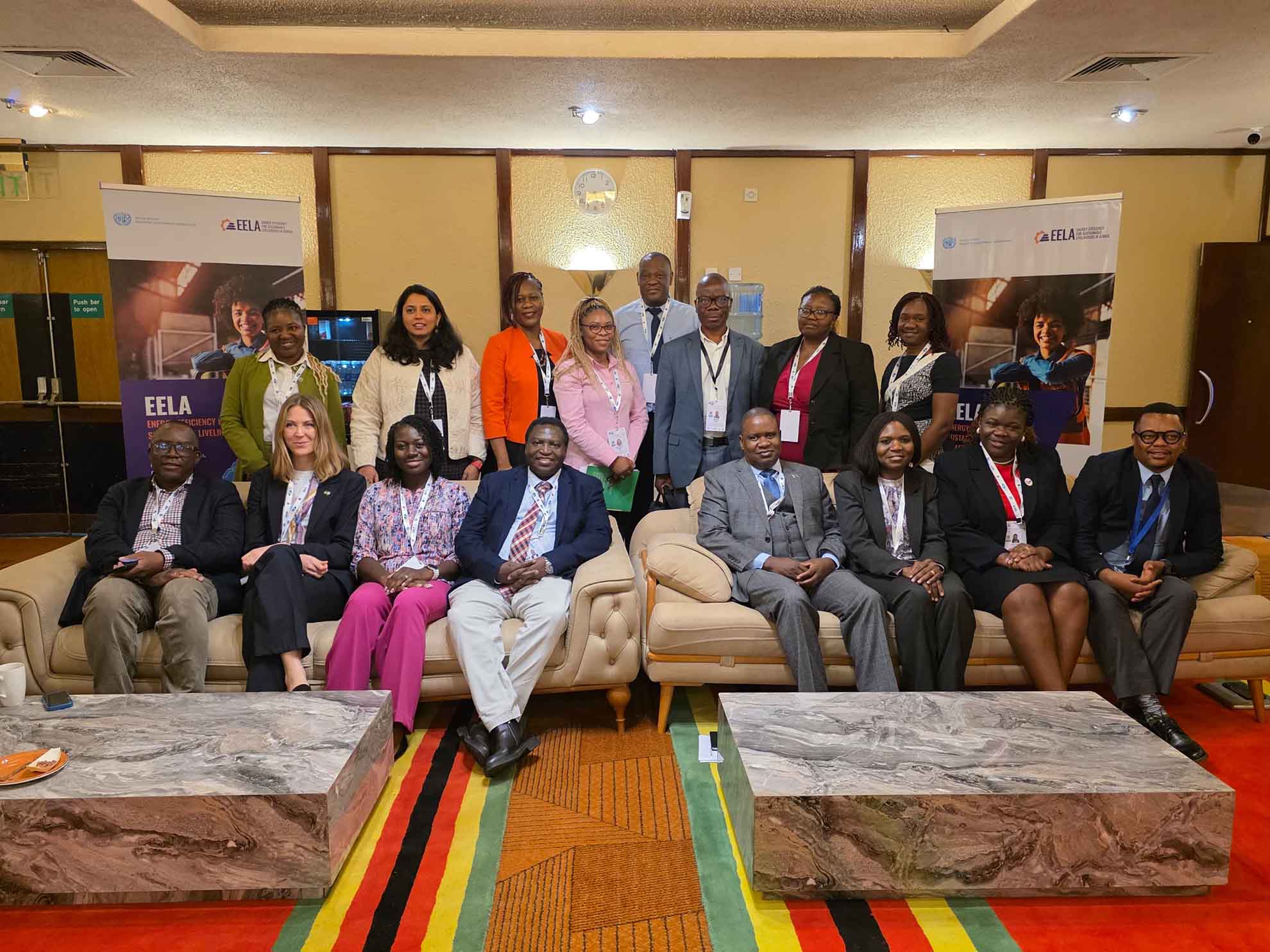
The EELA Zambia Steering Committee meeting was marked by a high level of engagement and strong national ownership. Members welcomed the programme’s continued contribution to Zambia’s energy priorities, particularly at a time when energy performance is becoming central to strengthening energy security, supporting sustainable and inclusive economic growth, and optimising both generation and demand‑side systems.
The Committee reviewed progress on ongoing studies, technical assistance, and market‑transformation activities, validating key milestones for the coming period. It reiterated Zambia’s commitment to advancing a more energy‑efficient, resilient, and data‑driven national energy system fully aligned with national policy frameworks and regional sustainability goals.
The Zambia meeting also benefitted from insights presented during the Chemonics Egypt Consultants study, with country‑specific data and trade analysis helping guide discussions on opportunities and barriers for adopting higher‑efficiency motors within the industrial sector.
ADVANCING REGIONAL EFFICIENCY THROUGH COORDINATED ACTION
Together, the two Steering Committee Meetings illustrated the maturity and increasing impact of the EELA programme across Zambia and Zimbabwe. Both country windows continue to contribute to SADC’s regional energy‑efficiency agenda by:
- enabling evidence‑based policymaking,
- supporting industrial and appliance market transformation,
- strengthening compliance and standards ecosystems, and
- advancing national and regional sustainable‑energy priorities.
EELA remains committed to fostering regional cooperation, scaling effective solutions, and accelerating Southern Africa’s transition toward energy‑efficient, climate‑resilient, and sustainable energy systems.