
News
Strengthening Regional Expertise in Energy-Efficient Lighting: EELA Training in Mozambique
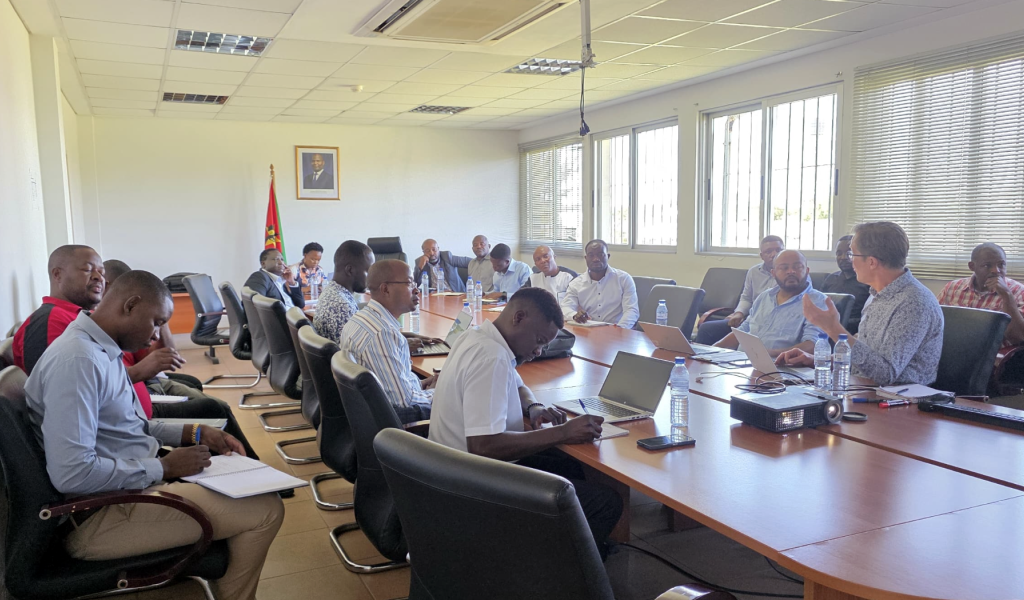
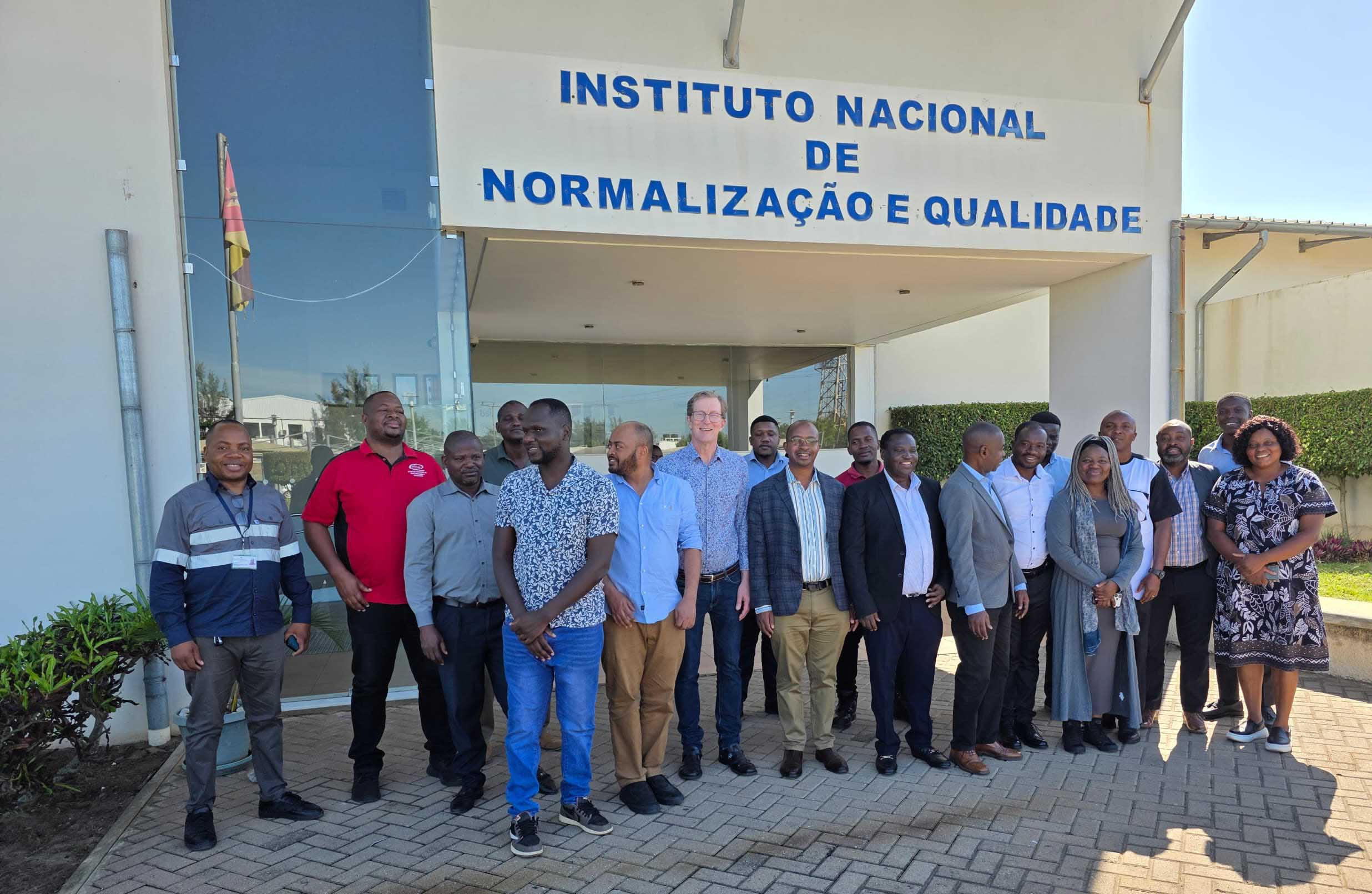
The EELA team recently organised and facilitated a two-day training workshop at the Instituto Nacional de Normalização e Qualidade (INNOQ), Mozambique's National Institute for Standardization and Quality. Held from 11 to 12 May, the training brought together laboratory specialists and regional stakeholders from Ghana Standards Authority (GSA) and Uganda National Bureau of Standards (UNBS) to reinforce technical expertise and advance the application of energy-efficient lighting standards across Africa. Delivered by the Swedish Energy Agency, the training aimed to strengthen standard enforcement while improving measurement accuracy, reliability, and readiness for accreditation in line with international requirements.
This initiative addresses a clear and growing need. In recent years, EELA has supported significant investment in laboratory infrastructure in Africa. Yet equipment alone is not sufficient. Effective use depends on skilled personnel able to operate, calibrate, and interpret results according to international best practices. At the same time, the rapid evolution of LED technologies and lighting standards requires continuous knowledge updates for both technical experts and decision-makers.
The training unfolded in two complementary parts. Day 1 focused on the foundations of photometric and electrical laboratory measurement, including integrating-sphere and goniometer measurements, as well as reference lamps and calibration fundamentals. Each topic was combined with a live demonstration on the INNOQ equipment. Day 2 extended the technical content towards the integration of measurements into a compliance-assessment workflow. It covered the goniophotometer software environment and the quality-assurance practices that underpin ISO/IEC 17025 accreditation, and key topics such as the distinction between standard and reference lamps, the management of measurement data, and the equipment lifecycle. The presentations were reinforced through hands-on practical sessions in the laboratory, on both the goniophotometer and the portable lighting measurement kit, so that participants could apply the concepts directly on the equipment.
Bringing technicians from the EAC, ECOWAS and SADC regions, facilitated by the three EELA partner regional centres - EACREEE, ECREEE and SACREEE - into a single hands-on session allowed the same technical content to be delivered consistently across regions. It also created a direct setting for peer exchange between laboratories that will be working to comparable requirements in the years ahead. The practical format allowed participants to deepen their technical competence while aligning their work with international standards and interlaboratory comparison practices.
By combining laboratory-based training with application-focused sessions, the initiative adopts a comprehensive capacity-building approach. It strengthens technical competencies at the measurement level while supporting more informed decision-making across design, procurement, and regulation. This integrated model contributes to more reliable testing systems, improved market surveillance, and higher-quality lighting solutions across the region.
Closing discussions further reviewed the regional harmonisation of testing templates, the national regulatory framework in Mozambique, laboratory business models and sustainability, as well as preparation for the forthcoming interlaboratory comparison exercise coordinated by the International Energy Agency. Through this coordinated effort, EELA continues to support stronger institutional capacities and regional cooperation, laying the foundation for sustainable, energy-efficient lighting markets across Africa.